Different Types of Scaffolding & When to Use Them: Trade Expert Breakdown
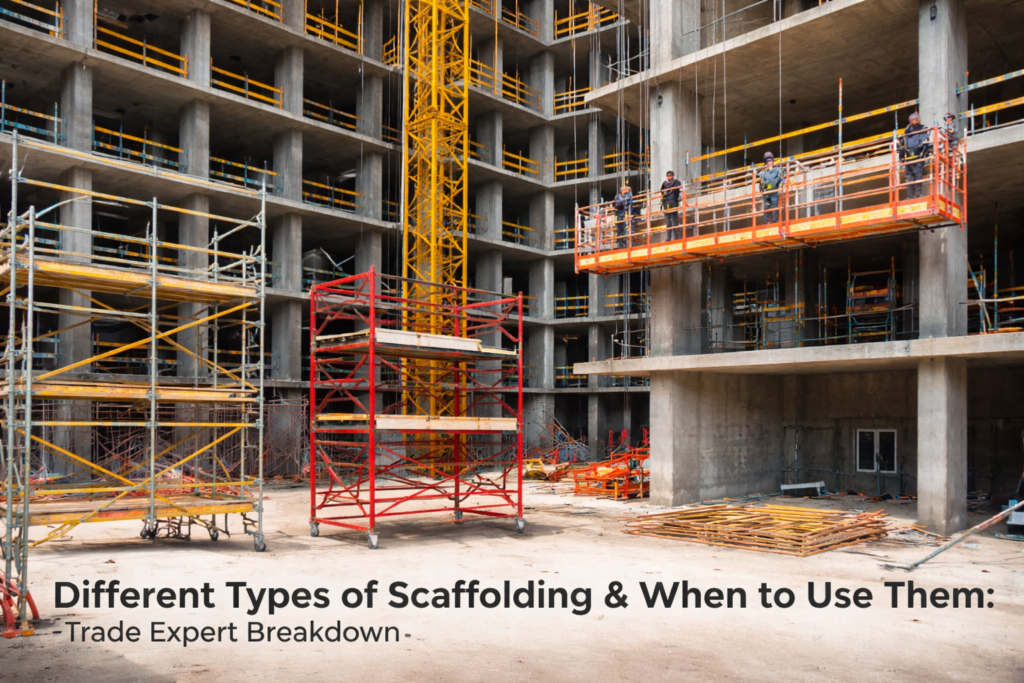
Different Types of Scaffolding & When to Use Them: Trade Expert Breakdown – When you are planning any type of construction or maintenance work that would entail working at height, having a good grasp of the Different Types of Scaffolding & When to Use Them is crucial for ensuring safety, enhancing productivity, and adhering to the law. Using scaffolding is not a matter of getting the same equipment for everyone – it is an ecosystem of systems, each designed to deal with certain heights, access features, load capacities, and work surroundings.
Whether you are a professional contractor, a site manager, a DIY enthusiast, or a trade apprentice, having a clear idea of the type of scaffolding that you should use – and the reasons behind your choice – can save you from going through a painful process or from incurring losses (or worse: being involved in a safety incident).
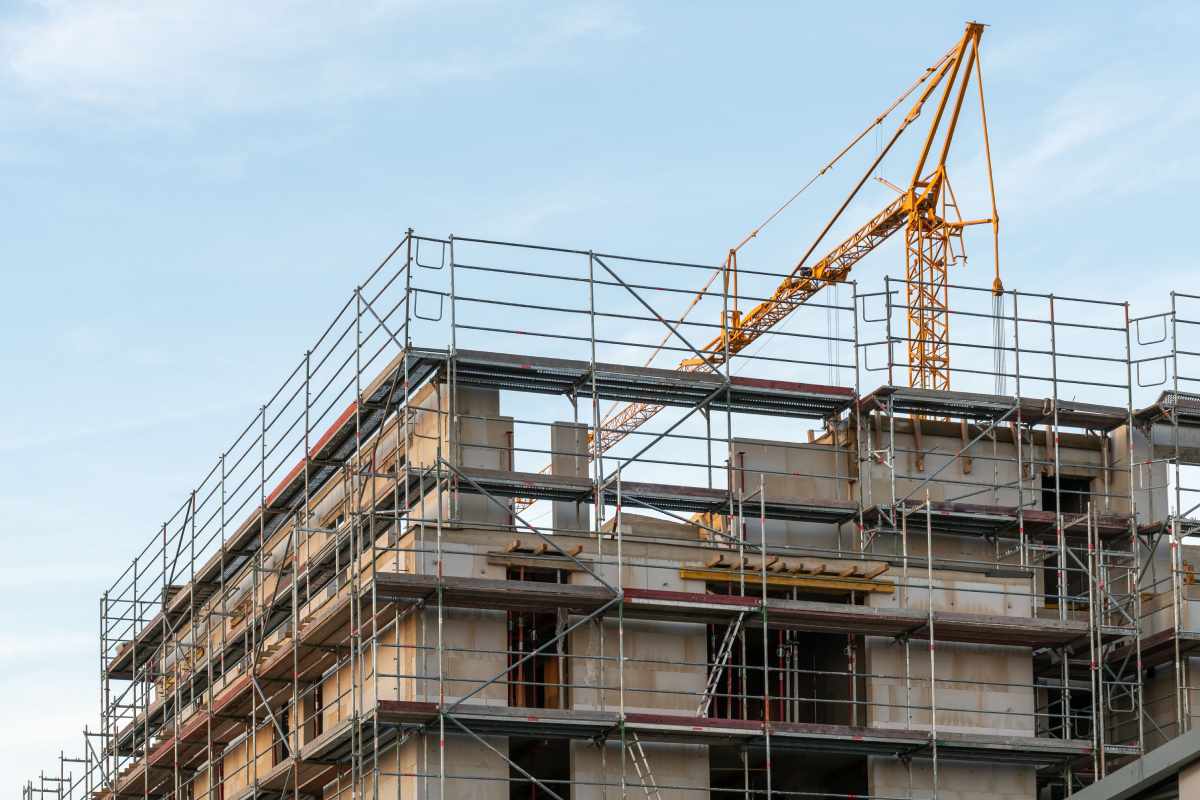
Scaffolding in the context of construction is used to refer to temporary frameworks put up to facilitate the access and support of workers and materials at heights. These systems are the basics for such works as masonry, painting, plastering, facade repairing, steelwork, and so forth. Most of the time, the core material of modern scaffolding is steel or aluminum, or, in some cases, traditional materials like bamboo (which is still in use in parts of Asia).
Common Scaffolding Types and When to Use Them
Below is a list of the most popular types of scaffolding – from conventional systems to up-to-date modular solutions.
1. Single Scaffolding (Bricklayers Scaffolding)
It is mainly utilized for brickwork and other light tasks on relatively straight walls. It includes a single row of vertical supports (standards) and horizontal members (ledges and putlogs). Perfect for the main construction and repointing when the wall is able to bear anchors.
Best for: Specializing in brickwork, plastering, and providing basic access on low to mid-rise projects.
2. Double Scaffolding (Masons Scaffolding)
By adding a second row of support, the double scaffolding becomes stronger and thus suitable for stone masonry structures where it is not possible to embed support in the wall.
Best for: Stonework, heavy masonry facades.
3. Cantilever Scaffolding
Only one end of the structure is supported by needles (horizontal supports constructed through wall openings), and this type is extremely helpful for situations where ground placement is not possible or unsafe – over a sidewalk or next to a deep excavation, for instance.
Best for: Things like working over obstacles or having a restricted ground space.
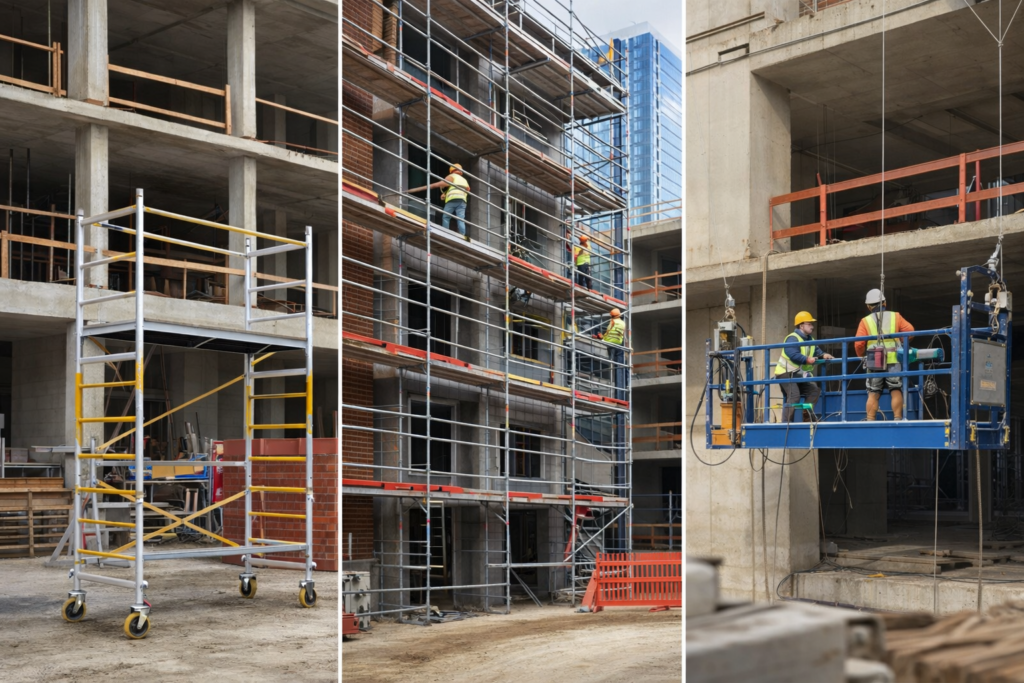
4. Suspended Scaffolding (Swing Stage)
This type of system is suspended from the top by ropes, chains, or rigging systems. High-rise window cleaning, facade painting, and the exterior repair of buildings are very common uses for the system since the platform can be raised or lowered.
Trend now: With urban renovation and upkeep of skyscrapers, the demand for hanging scaffolds is expected to increase; thus, the market is expected to grow 8% year on year worldwide.
5. Trestle Scaffolding
They are built on a movable framework or tripods, and they are very simple and suitable for small jobs indoors or at low heights, such as ceiling painting or the installation of electrical installations.
Best for: Internal finishing work which is up to 5 meters in height.
6. Steel Scaffolding
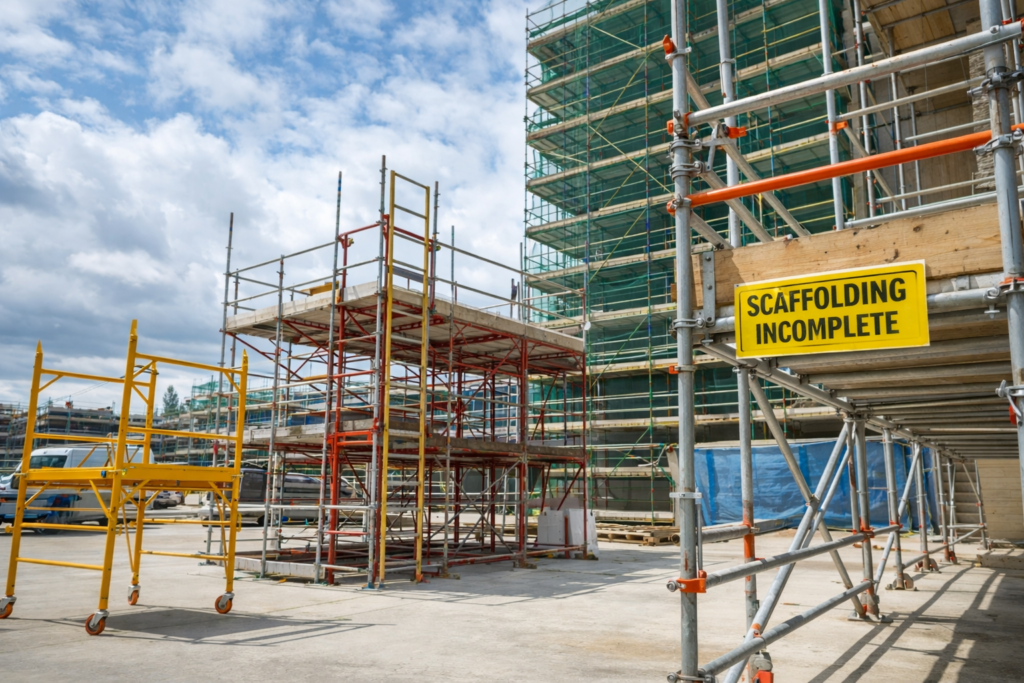
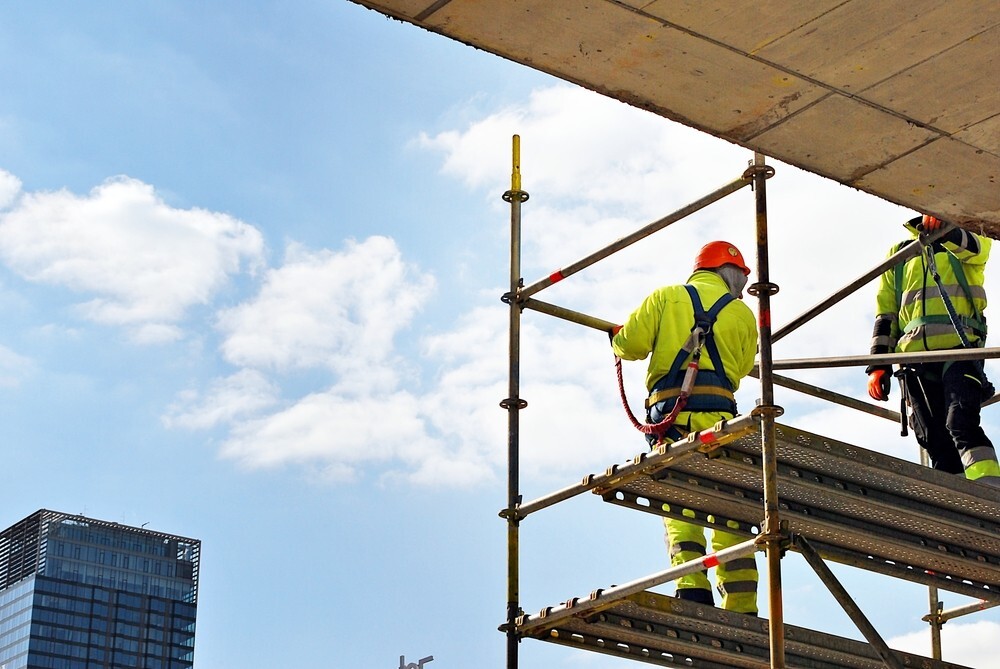
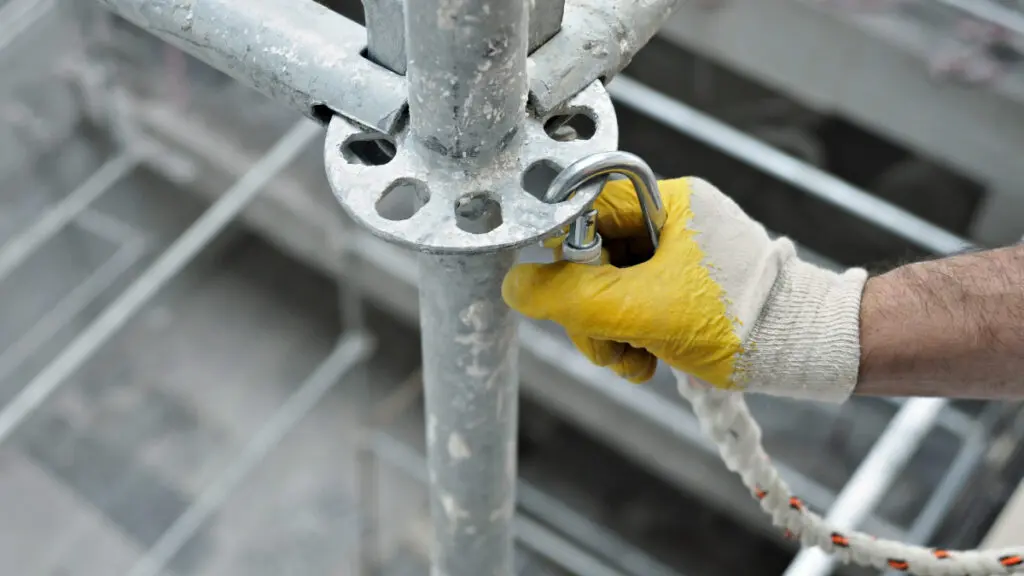
A steel scaffolding system is made of steel tubes and couplers. This system is highly durable and fire-resistant, and it is therefore perfect for large-scale projects or projects that last for a long time. It gives you excellent strength and the possibility to reuse the components.
Pro use: With ever stricter safety standards, steel systems are becoming more and more favored over timber/bamboo – especially in regulated markets.
7. Bamboo Scaffolding
Still continues to be the main method in parts of Asia where it is used due to its cost-effectiveness and flexibility. Bamboo scaffolding indeed has cultural and regional value, but it also places fire and durability limitations when compared with metal systems.
“Modernization has not changed the fact that bamboo scaffolding is the signature of many Asian skylines. However, safety and fire risk are issues that have been leading to great regulatory changes.”
8. Modular & System Scaffolding (e.g., Kwikstage, Cuplock)
Modern modular scaffolding employs engineered nodes and components to allow for faster assembly and more flexibility in fitting the various structural forms. They are currently very popular due to the resulting better site productivity and lower labor costs.
Best for: Industrial facilities, large commercial constructions.
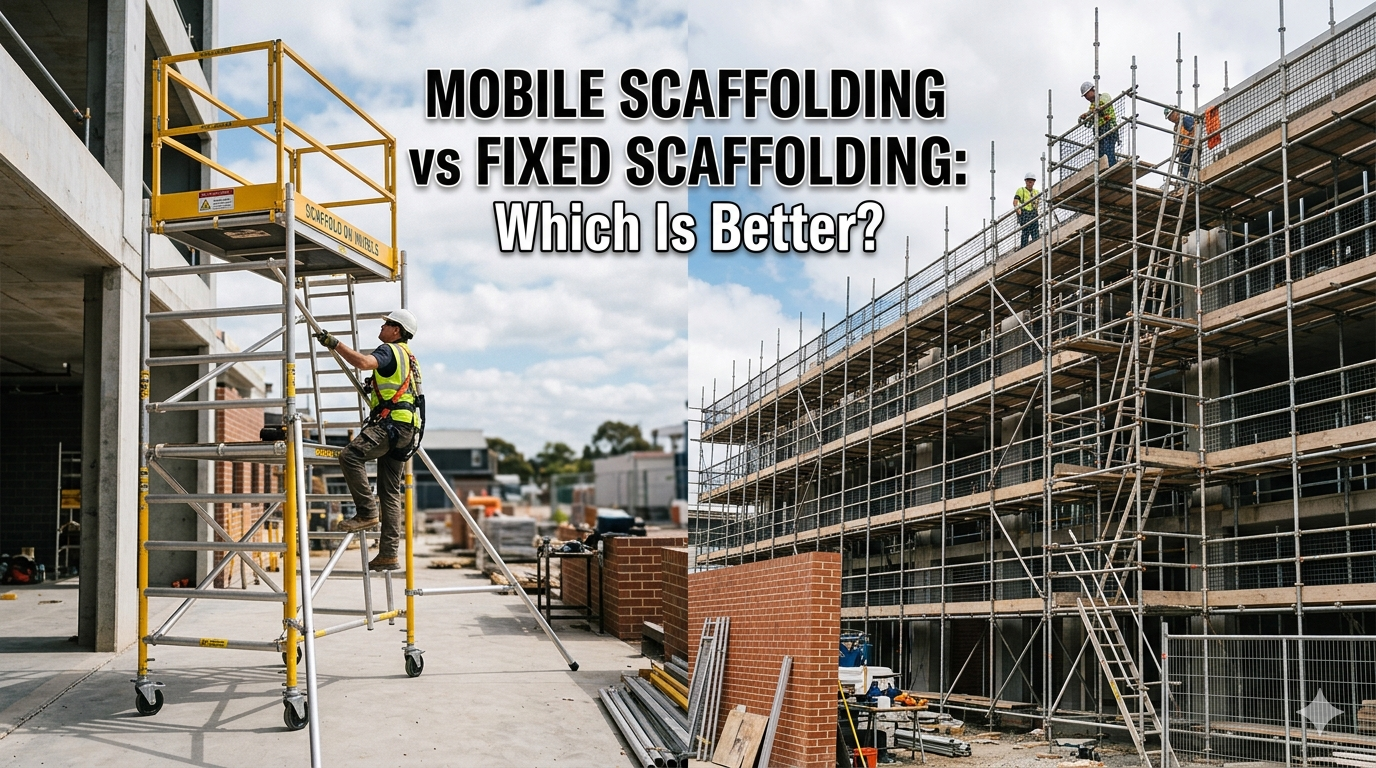
9. Mobile (Rolling) Scaffolding
When it has been fixed onto wheels or casters, the system is perfect for projects requiring a change of location to be done frequently, like interior maintenance or large warehouse installations.
Industry Trends and Stats
Global market growth: Tubular scaffolding markets are estimated to be worth $3.5 billion by 2033, with industrial applications being the major contributor to this growth.
Modular demand rising: Flexible and efficient modular scaffolding is expected to grow at a CAGR of 7.3% until 2033.
Suspended systems: Nowadays, more and more skyscrapers are being built and maintained in the city areas, which is leading to the increased use of suspended systems.
Conclusion
The safety factor at heights is very much dependent on your decision of which scaffold system to go with. If you get familiar with the characteristics of various types as well as their applications, not only can you enhance performance and compliance, but also overall project efficiency.
FAQs
What is the easiest type of scaffold for small home jobs?
Tasks such as wall or ceiling painting require minimal effort, and trestle or mobile scaffolding can be set up very quickly while also being safe for use at low heights.
How do I decide between suspended and supported scaffolding?
Taller structures will certainly require the workers to be moved vertically, so facade work is thus better done using suspended scaffolding. On the other hand, if you need to have access for general construction work, then supported or modular scaffolding is the right choice.
Is steel scaffolding always superior to wood?
Steel components have greater strength, are more durable, and are also fire-resistant. However, wood or bamboo may still be used for light work within the local area where their use is customary, of course, always in line with the required safety standards.
Are modular scaffolding systems worthwhile?
Of course, no doubt about it! Systems such as Cuplock or Kwikstage make the labor time for one person four times shorter and allow them to work on complex forms, thus being very cost-effective for large-scale projects.
Is it possible for scaffolding to be reused?
Absolutely. The systems made from steel or modular materials are often dismantled and reused for projects and to improve ROI.