Residential Scaffolding vs Commercial Scaffolding: Which One Do You Need?
To be honest with you, whether you’re looking up at a section of gutter needing to be replaced or considering building an entirely new complex office building, you’d probably conclude that “scaffold” is a term used for anything that gets you up there safely. The important part of the equation is that once you get to the roof to do what it takes to replace the section of guttering, ideally you want to accomplish your goal without coming down. But here’s another fact; using the incorrect type of setup to build your office building will probably result in serious injury. Therefore it is important to know the difference between residential and commercial mobile scaffolding generically so you can build out your new office building correctly. In this article we’ll go into detail about what is meant by the term “residential scaffolding vs commercial scaffolding“, so you can better determine which type you need to do the job for your project.
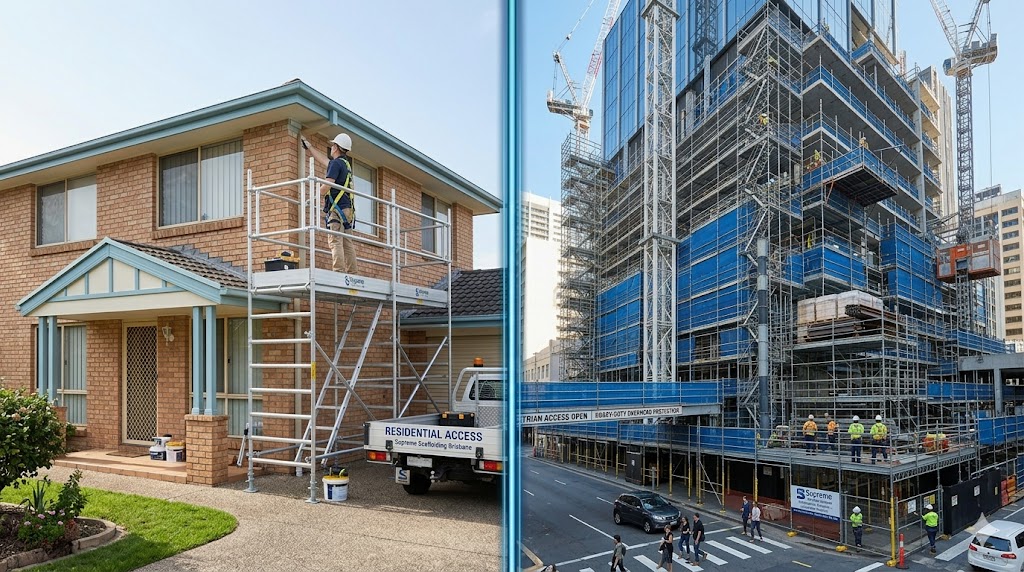
Though both kinds of scaffolding are intended to create a work platform to perform tasks at height, they are designed differently and have different regulations depending on their size and type of structure.
1. Size and Complexity
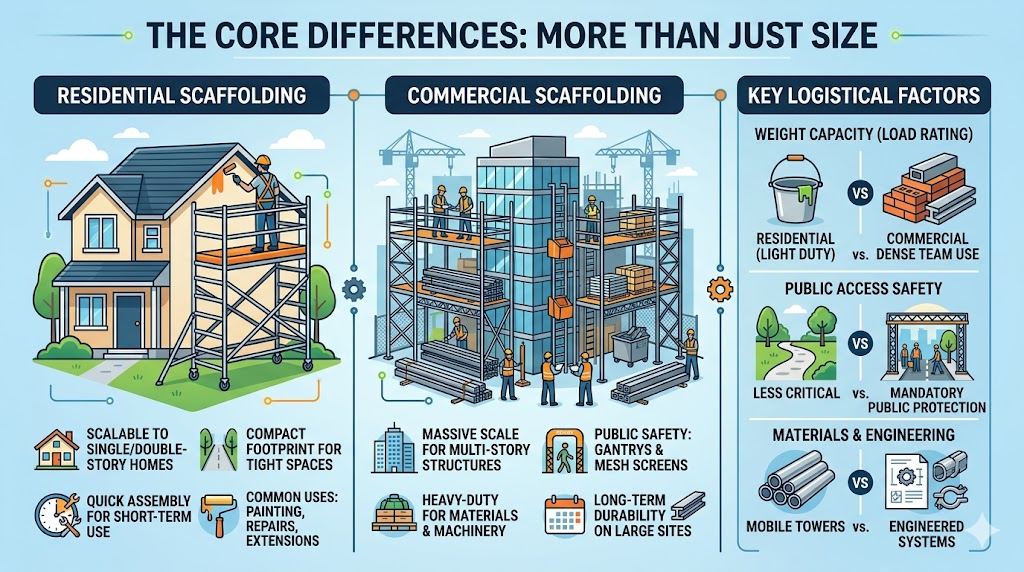
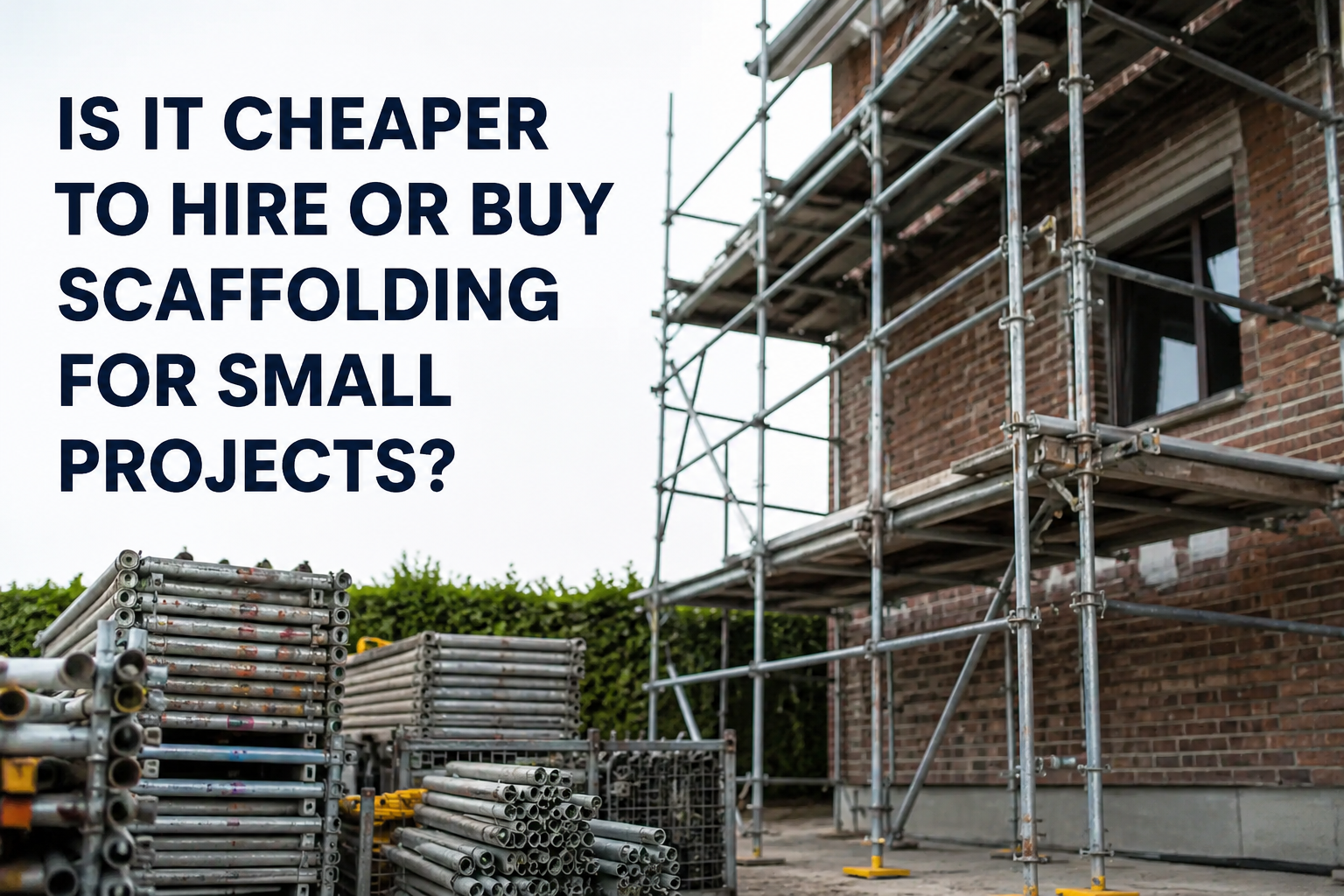
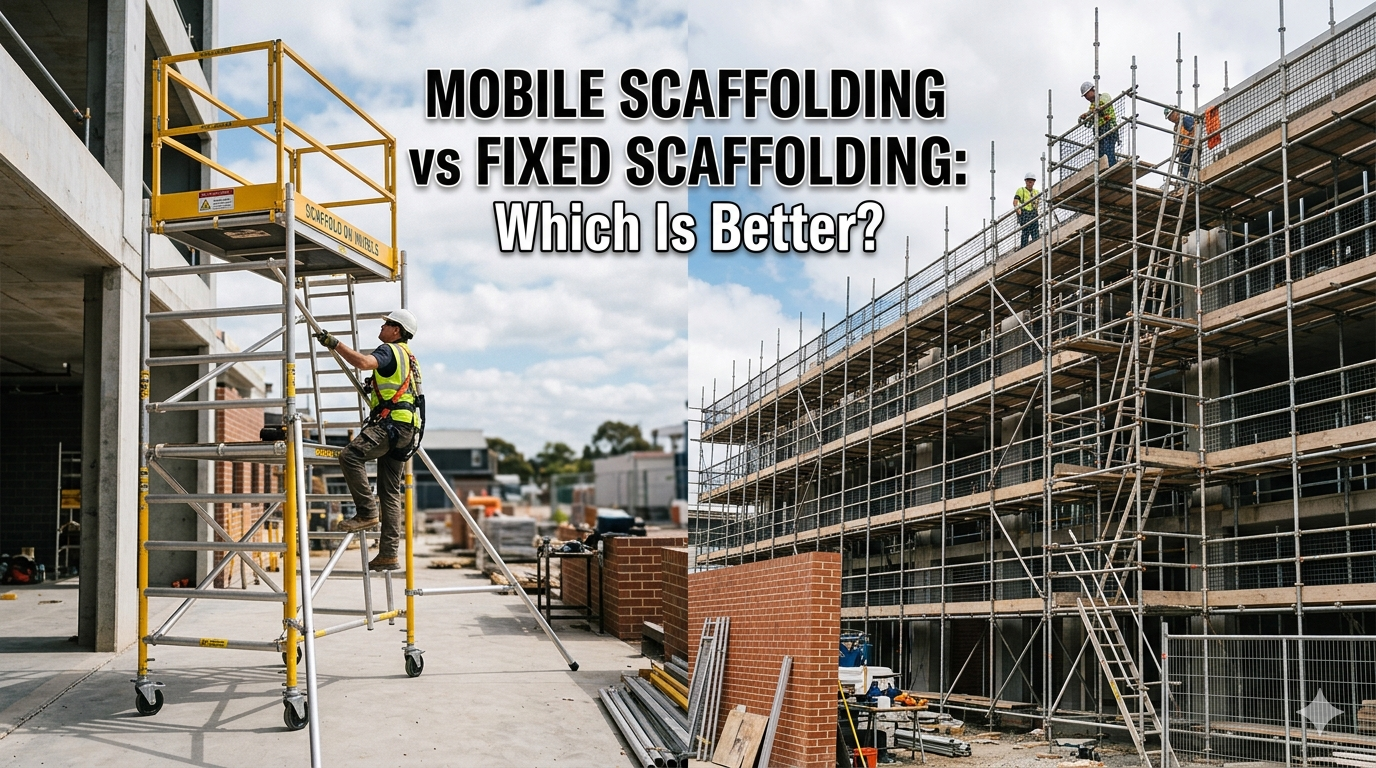
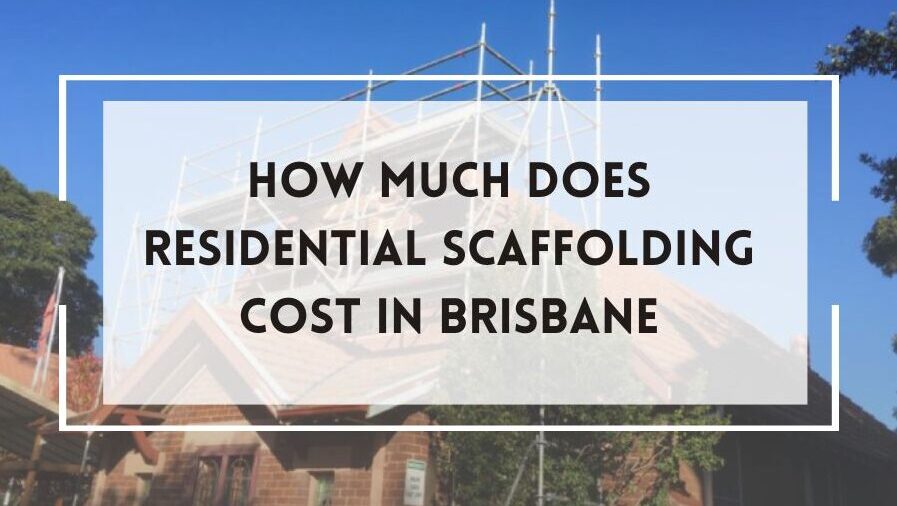
Residential: Usually smaller and can be tucked into tight spots like between two houses or in a small backyard; usually respects single or double storey homes.
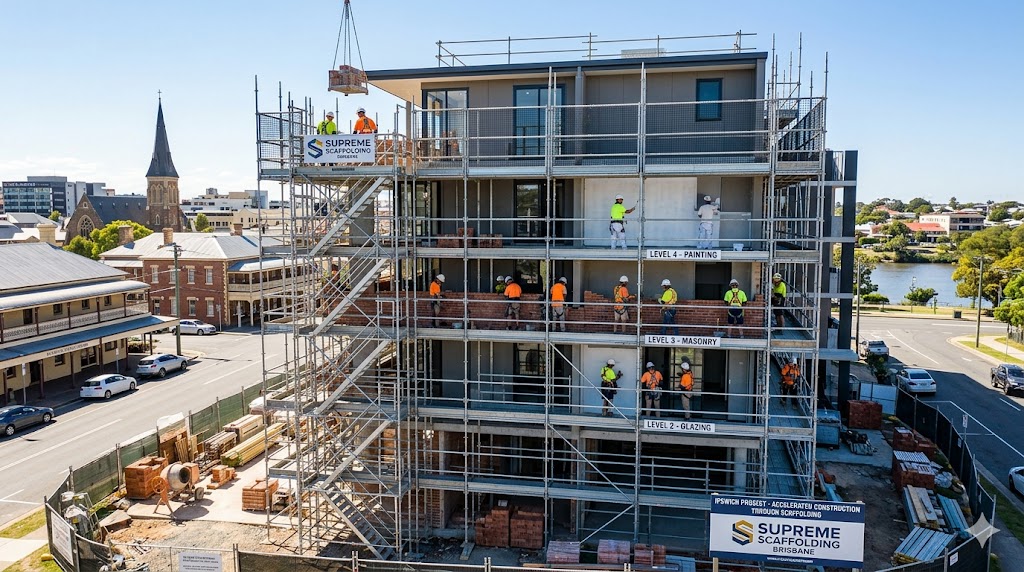
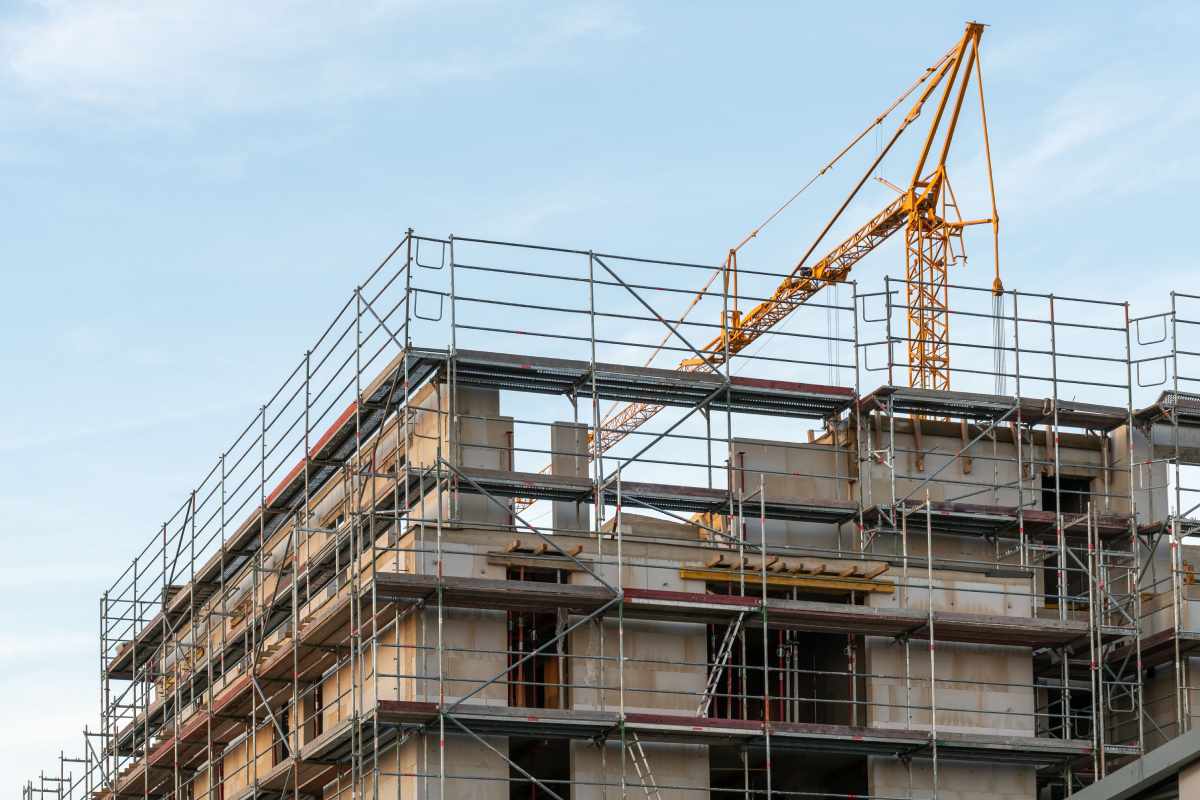
Commercial: Usually much larger scale; consider the size of big buildings, e.g., skyscrapers, shopping centres, hospitals; usually incorporate complex engineering due to the amount of very heavy equipment used and many people using them at once.
2. Weight (Load) Capacity
The most important difference in the way residential and commercial scaffolds are assessed is usually the load classification. They have separate standards that specify how much weight each strength can hold:
Light duty loads are mostly for residential work; examples include painting and the repair of fascia boards.
Other than for residential work, medium to heavy duty loads are considered to be normal for the delivery of materials, ie, pallets of bricks, motor, and heavy steel beams directly stored on the platform.
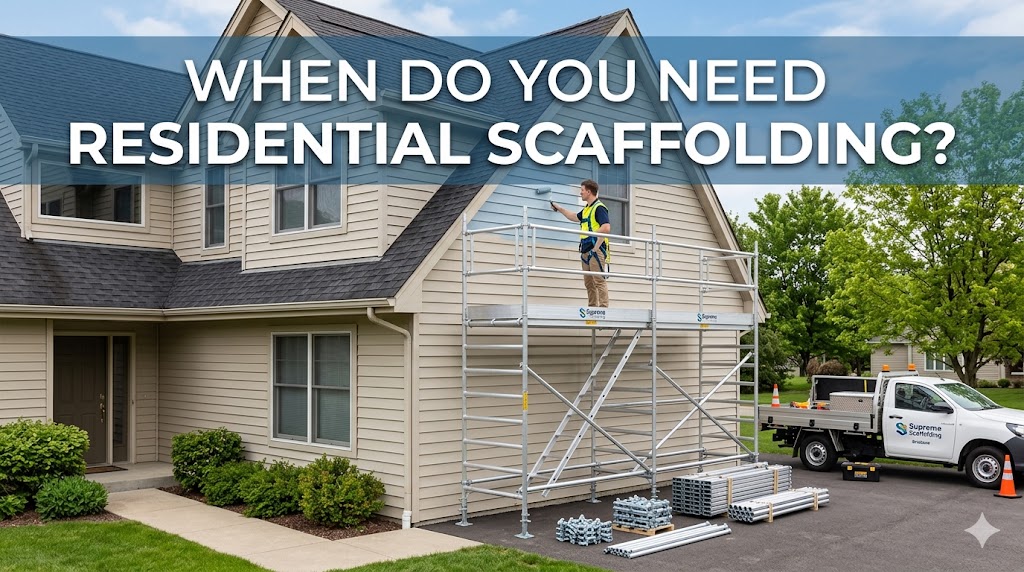
When Do You Need Residential Scaffolding?
Scaffolding is for getting to an area to perform work (e.g., painting, repair, and installation).
When you’re working on a single-family home, you probably don’t need a crane-support structure since it will likely not be needed; however, you do want to avoid damaging the flower beds around the house.
Some common residential uses:
Exterior painting and rendering.
Roof repairs or gutter replacement.
Upper-window installations.
House extensions and chimney repairs.
The best part about a residential scaffold system is that they are typically faster to erect and dismantle, which results in less interruption to your everyday life. They often use mobile aluminium towers or lightweight steel frames that provide excellent stability without taking up a lot of real estate (i.e. the available area).
When Is Commercial Scaffolding Necessary?
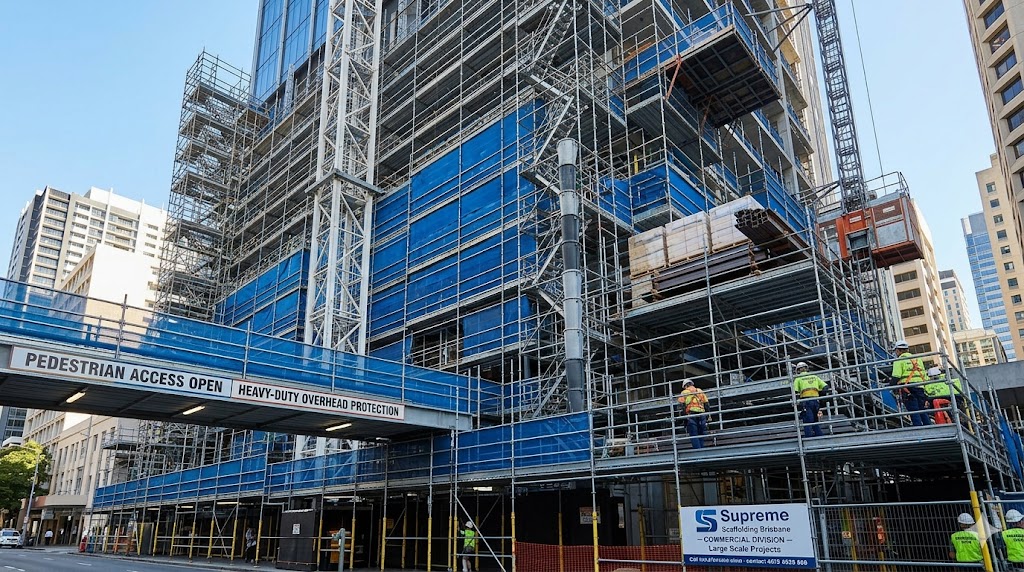
Commercial scaffolding is essential to the construction industry and an important structural component of a building project. With so many people working on a construction site and higher risks involved, there are many more stringent requirements for commercial projects than for residential ones.
The following are Key Features of Commercial Scaffolding:
Public Safety Considerations – Many commercial projects are built in busy metropolitan areas, and as such, safety measures must be implemented for the public’s benefit. In addition to concrete floor plates, scaffolds used in commercial projects typically include overhead protection systems (gantries) to protect pedestrians below from falling debris and mesh/enclosure systems to prevent dust and debris from leaving the work area.
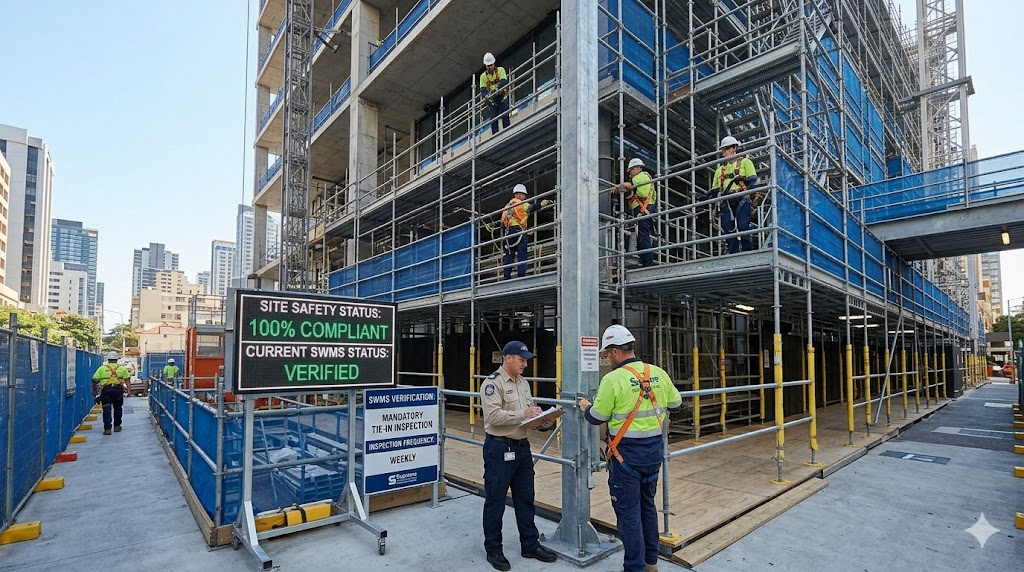
Long-term Durability – Depending on the length of the project, scaffolding can be used for anywhere from several weeks to several years. Therefore, scaffolding must be designed to withstand the elements and regularly inspected by an outside inspector (typically once a week).
Heavy Equipment Support – Most commercial projects require scaffolding to support heavy equipment, including hoists/rubbish chutes installed within the scaffold to facilitate the transportation of materials up and down the scaffolding.
Comparing the Logistics
Feature
Residential Scaffolding
Commercial Scaffolding
Primary Material
Lightweight Steel or Aluminum
Heavy-duty Galvanised Steel
Setup Time
Usually 1 to 2 days
Can take weeks of planning/assembly
Footprint
Compact and localized
Massive; may require road closures
Cost Factors
Hourly or daily hire rates
Complex contracts with engineering fees
Safety and Regulations: The Non-Negotiables
No matter how large a project may be, safety is key. In Australia, all scaffolding must meet the WorkSafe requirements. Commercial projects generally have higher insurance requirements (Public Liability Insurance) and are also subject to having a “Safe Work Method Statement” (SWMS).
If you attempt a small residential paint job from a shaky/unstable ladder, it’s simply not worth the risk. When you use a professional scaffold system, it provides a level and wide working platform allowing both hands to be free while working—your shins will be happy; your spouse will be very happy!
Making the Right Choice
Which type of scaffolding will you need for your project?
Residential scaffolding is the best option for home renovations and standard construction projects due to its affordability and ease of use. However, if your project involves high-rise buildings, a large quantity of building materials or is along a public area, then Commercial Scaffolding is the best option for you.
By choosing the right type of scaffolding, your project will stay on schedule, you will not exceed your budget, and most importantly, every person on site will have a safe work environment. If you are unsure of the loading capacities or type of modular system required for your project, it is best to contact an expert for assistance.
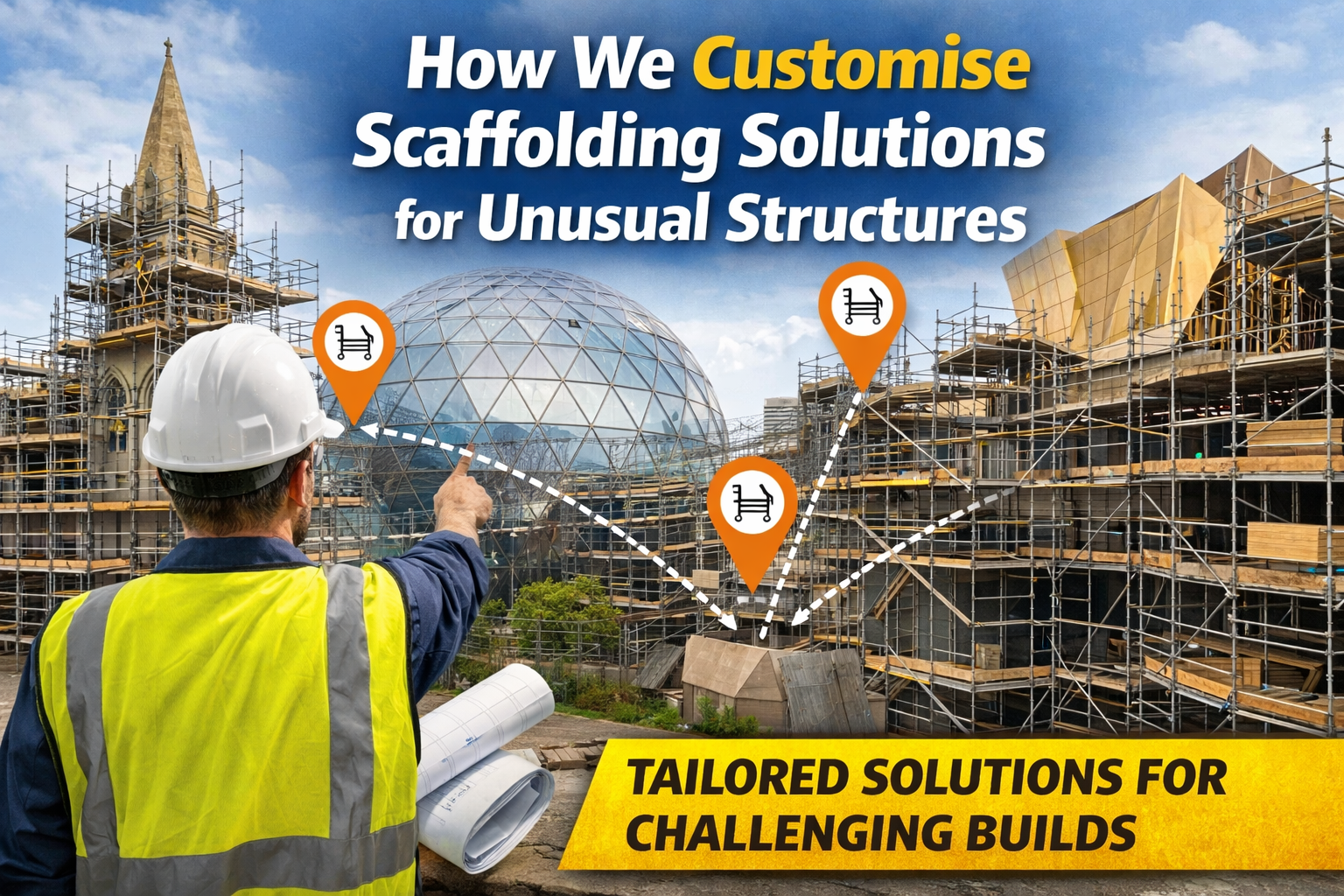
Supreme Scaffolding Brisbane provides custom-designed scaffolding solutions to clients working on home renovations and commercial construction. Whether you require a small tower scaffold for a single-family house or a heavy-duty structure to support a large commercial project, our expert staff will ensure that your project is completed in accordance with all safety regulations and codes. Contact us now to get started with your project!
FAQs
I’m just painting my two-story house. Can’t I just use a ladder?
You might want to think twice about using a ladder for more than just changing light bulbs; ladders are great for short amounts of time but they’re not really intended for use over long periods of time. A residential scaffold provides you with a large, stable working platform where you can have all of your paint cans, brushes, and tools right at hand as you paint! You’ll be much safer on the scaffold than on a ladder and you won’t be as tired when you’re done painting; and honestly, your finished paint job will look better because you won’t have to reach so far into the corners!
Will the scaffolding ruin my garden or driveway?
This is a major problem that affects lots of homeowners! To keep the structure’s weight evenly distributed, we utilise both a base plate and a wood Sole Board. This also ensures that there are no metal poles pushed down into the lawn or scuff marks left on a nice driveway after we complete the work and are ready to go home. Your yard will appear identical to how it did prior to our arrival on-site.
Do I need a special permit to put scaffolding up?
If the scaffolding is placed completely on your property, you will not usually require a permit for it. However, if any portion of the structure is encroaching onto or overhanging an adjacent footpath (sidewalk) or road or if any part of the construction is within the “swing zone” of the structure’s support poles, then you will likely require a council permit. Usually for commercial work in busy locations, permits are almost always required, and we regularly assist with the paperwork involved with this process.
Can the scaffolding stay up during bad weather?
For sure. The scaffolding system is designed to be safe and strong enough to stay up while offering temporary support for the roof. The scaffolding is attached to the structure so it will withstand the wind and rain. However, if there is severe weather (such as a violent storm and high winds), you should avoid using the platform (i.e., the scaffolding) for your own protection, even though the scaffolding would not move in high winds.