Temporary Edge Protection vs Full Scaffolding: Which Is Right for Your Site?
Construction sites pose many safety hazards, and some of the worst are at heights. Falls continue to be one of the highest accident-related injuries in the construction industry. Depending on your contractor’s specific needs, contractors will utilize both temporary edge protection systems and complete scaffolding to minimize fall risk. Even though both types of products can help improve the level of safety on a construction project, they do serve different purposes and are better suited for different types of projects.
A good understanding of the differences between temporary edge protection products and complete scaffolding will help builders select the most effective and economical option for their site.
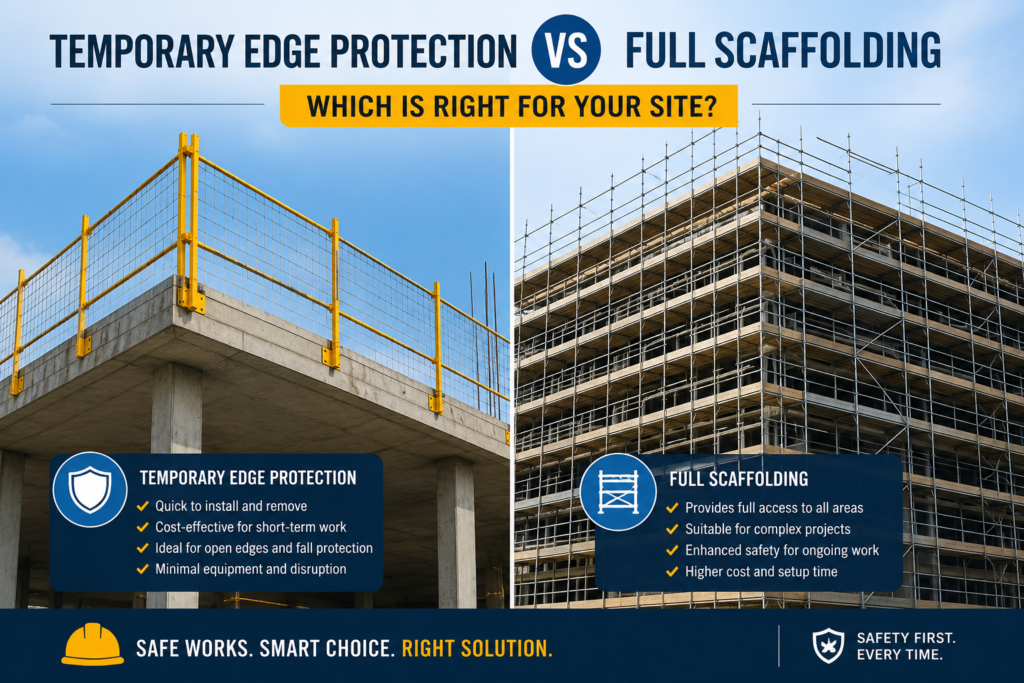
Temporary edge protection is a barrier that protects workers, tools and materials from falling from exposed edges such as roof, floor, balcony and elevated platform edges. Typically made of guardrails, posts, toe boards and mesh panels, these systems can be installed quickly as needed and removed after the completion of short-term construction activities.
Main Benefits of Temporary Edge Protection
Provides fall protection for workers working near edges.
Fast and easy to install.
Inexpensive for smaller projects.
Lightweight and adjustable for different site layouts.
Helps to comply with Occupational Health and Safety (OHS) regulations.
Temporary edge protection is used frequently during roofing projects and in residential building construction projects.
The Lightness And Versatility Of Temporary Edge Protection System Make It Suitable For Nearly All Applications.
What is Full Scaffolding?
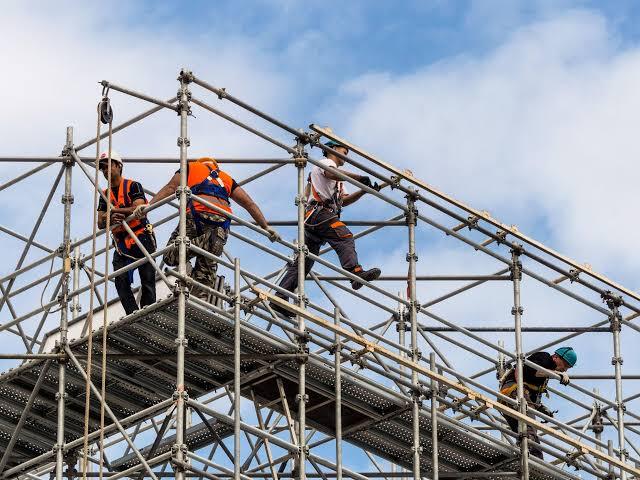
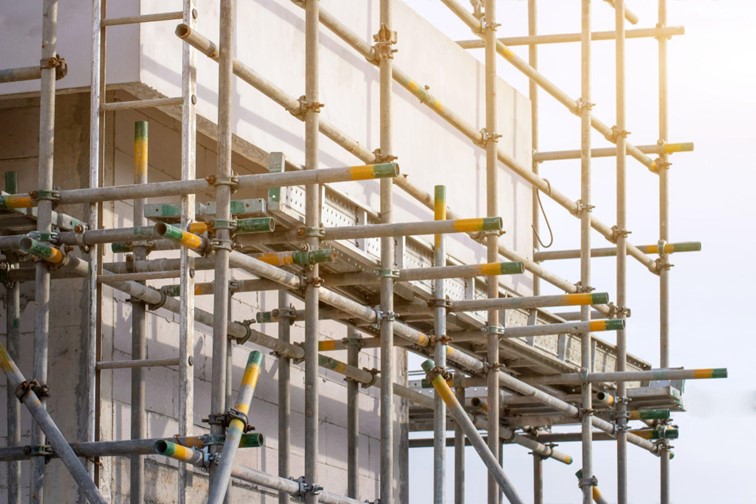
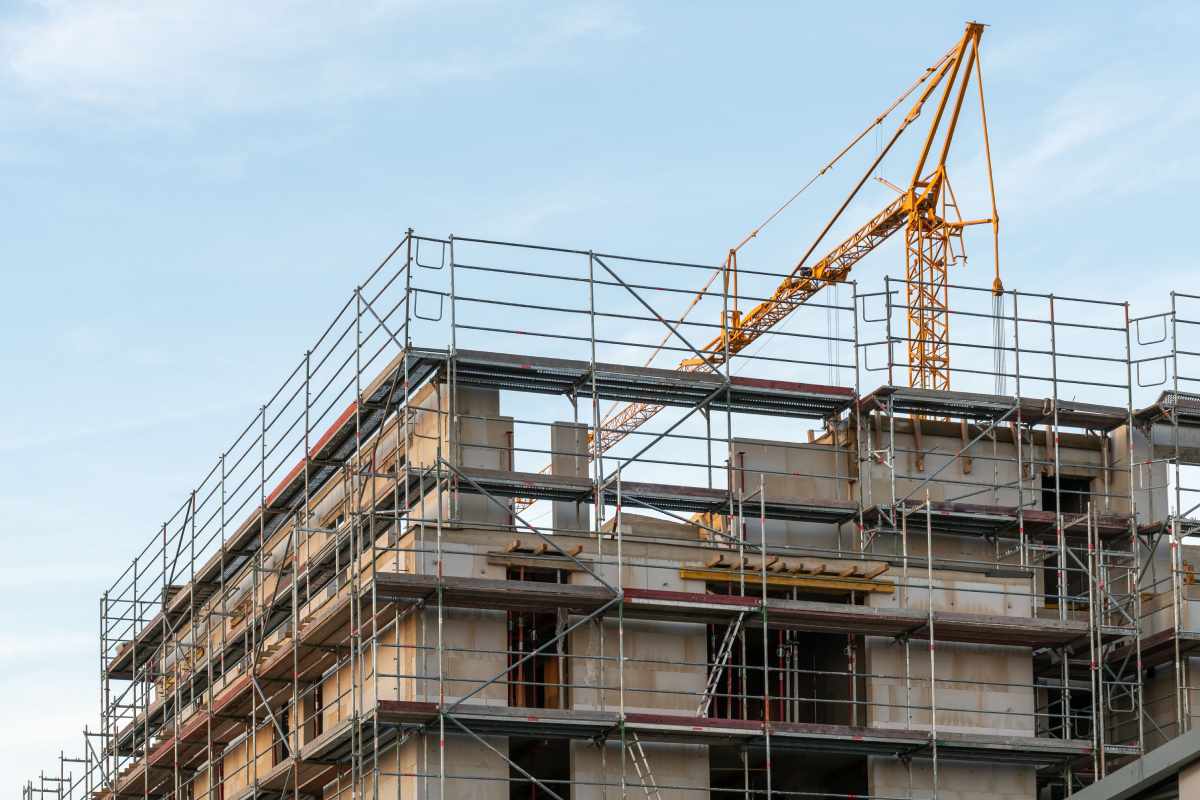
Full Scaffolding is an all-access system for workers with stable platforms to do their job at varying heights. Full Scaffolding can be built around the complete perimeter of a building or at specific locations of work.
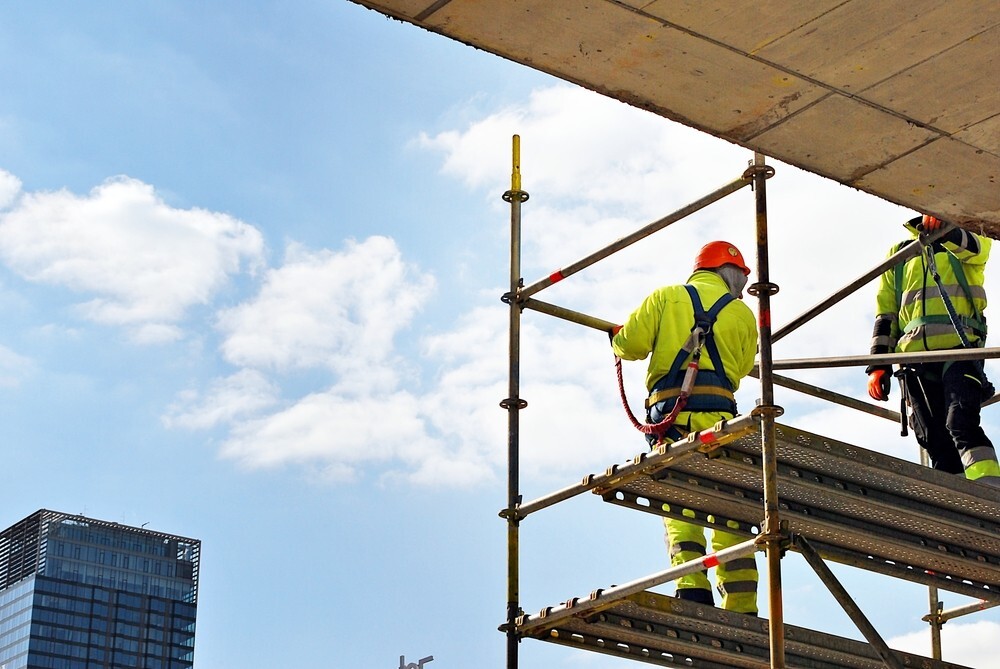
In addition to protecting against falls, scaffolding creates safe access to elevated areas of work and safely supports workers, tools, and materials for the duration of the project.
Benefits of Full Scaffolding
Provides secure access to the elevation of Work.
Supports several workers at one time.
Creates stable working platforms.
Allows for the storage of tools and materials close to the work area.
Increases efficiency in large-scale projects.
Scaffolding is most commonly used for large commercial construction projects, to assist in the construction of multi-layered buildings, for façades, painting, bricklaying, and larger-scale renovation projects.
Difference Between Temporary Edge Protection and Full Scaffolding
1. Function
Functionally the two systems are very different. Temporary Edge Protection is only set up for fall protection. Essentially, a solid barrier where employees may work at heights or work close to an unprotected edge.
Full scaffolding is both a safety device and a working platform safe for employees to do their job.
2. Work Installation
Temporary edge protection systems are generally installed and taken down faster than full scaffolding systems. Temporary edge protection is therefore more appropriate for projects that are constrained by a short timeline.
3. Cost
Temporary edge protection is usually much cheaper for most building projects due to the low amount of materials used and the time required to install them.
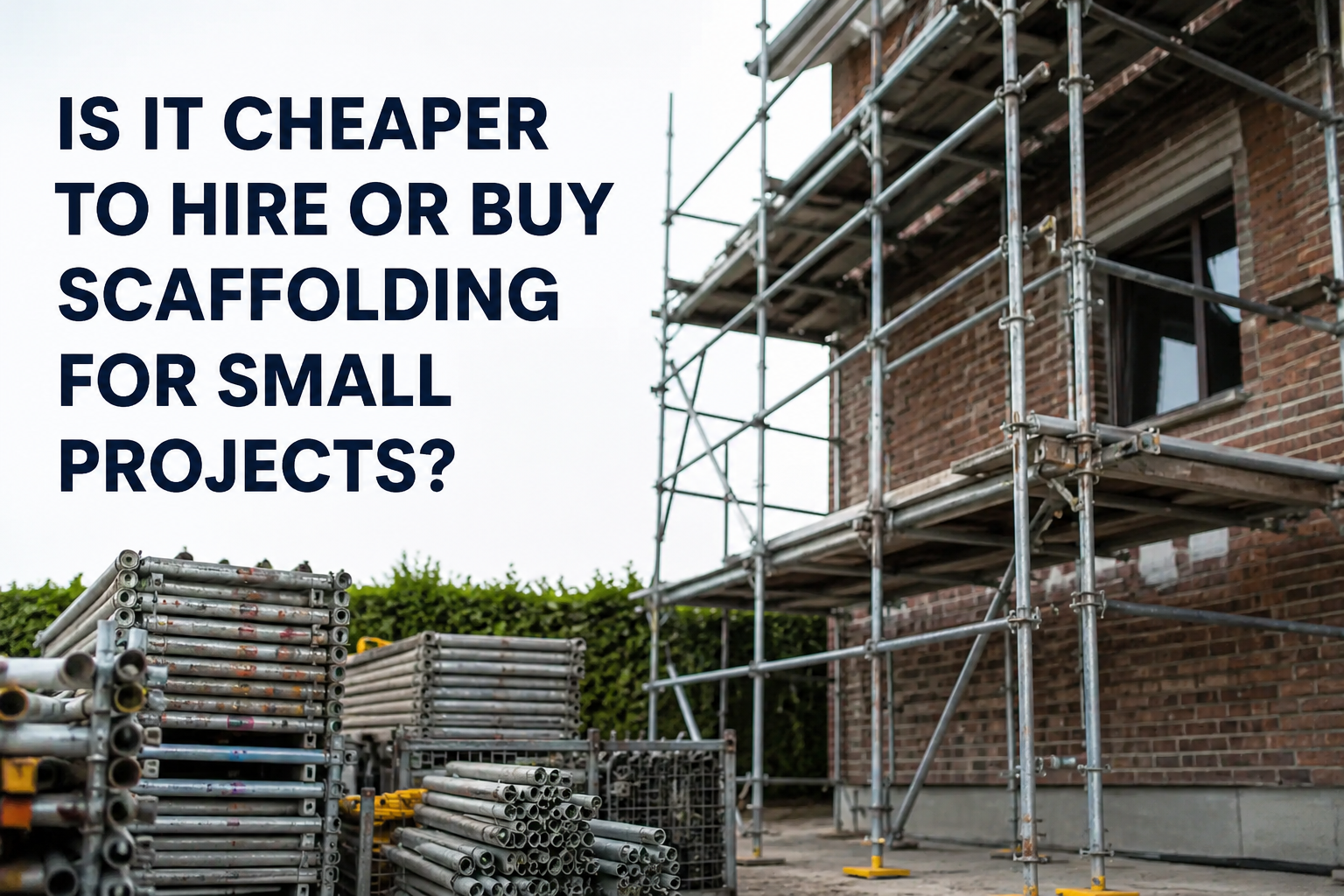
Scaffolding requires a lot more materials than edge protection, more engineering consideration, and significantly more time to install, which drives up the total cost. However, because of the extra function that scaffolding provides, it can still be worth making that investment for larger construction projects.
4. Access Requirements
If workers only need to be protected from exposed edges while working at height, temporary edge protection can be an appropriate choice.
If workers need to have regular access to multiple height levels or project areas or if they need ongoing access to the exterior of a building, scaffolding is usually going to be the better option.
5. Project Size
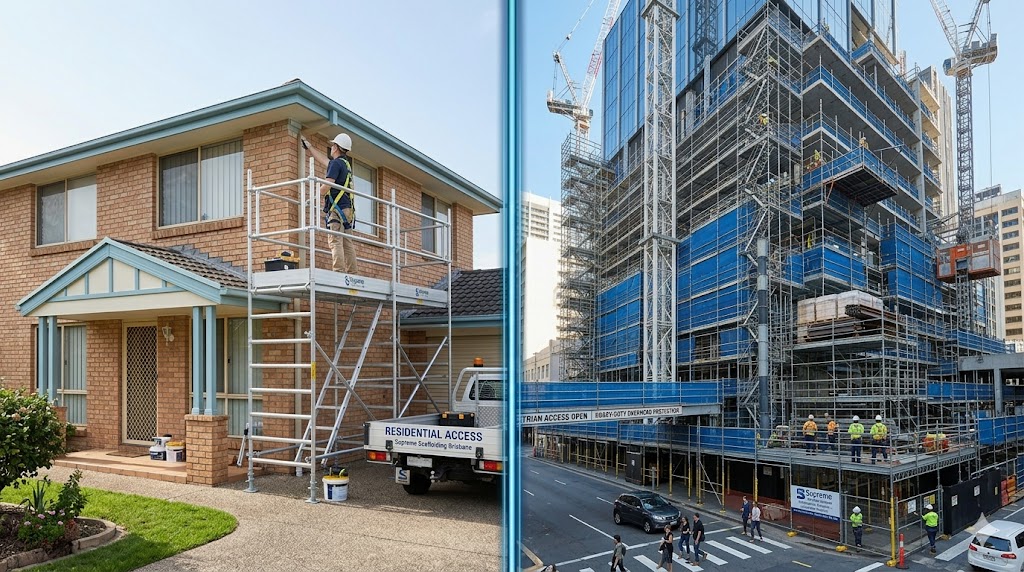
Residential construction sites, roof repairs, and minor maintenance projects can benefit from temporary edge protection.
Commercial buildings, apartments, and other large construction projects usually require the use of scaffolding because scaffolding supports a substantial amount of work at height.
When Should You Use Temporary Edge Protection?
If a project involves roof work or floor edge work, workers do not need a platform to work from above the ground to perform an activity. Construction activities will be short-term, the budget must be considered, and fast installation is required, temporary edge protection is usually the best option.
Temporary edge protection will typically provide a good option for safety and an economical solution for most light commercial and residential construction projects.
When Should You Use Full Scaffolding?
When workers regularly require ongoing access to elevated levels of construction
If they will be working on a building that has a height greater than the ground level
If workers will require ongoing access to the exterior of a building, full scaffolding is usually the best option.
Construction work may be lengthy before it is completed.
The tools and materials used will need to be raised to work at the necessary heights.
Different trades will be functioning together.
All of these issues can be resolved using scaffolding to improve both safety and productivity.
Will any combination of the above work together?
Yes – I have seen many different kinds of construction apply both of these safety systems to improve their overall building safety and efficiency.
An example would be the use of scaffolding to access the building’s exterior walls. The same site serves to prevent any worker who may be on the roof or floor before the completion of construction from falling off the building. If edge protection devices are installed along the roof edge, workers will be in a much safer position while installing their scaffolding as well as working on the walls.
Blockquote
The safest construction sites are those that match the right safety system to the right task, protecting workers while maintaining productivity.
Conclusion
Finding a solution for either temporary edge protection or full scaffolding will depend on the size, length, budget and accessibility of your project. Temporary edge protection typically will save you money while still offering fall prevention safety; however, full scaffolding provides both fall protection safety for the worker and access to work at height by the worker.
Supreme scaffolding Brisbane provides the best temporary and full scaffolding solution as per the needs of the project. Feel free to know more in detail about their services.