Why you should use scaffolding for home renovations
Are you thinking of doing home renovations to improve your property value, appearance, and make it a more comfortable space for living? Do you know that during home renovation, you have to work at height, lift heavy material, and reach difficult areas of your property, which is very difficult without using the right equipment? Many Australian homeowners are using residential scaffolding for home renovations to ensure worker safety and improve efficiency.
Many homeowners initially use ladders for home renovation work, which are cheaper and easier to arrange, but it is only suitable for smaller tasks, not for longer or complex projects. Residential scaffolding offers a better balance, easier access to difficult home areas, and enhances safety for both workers and homeowners. This blog explains the major reasons why you should use scaffolding for home renovation and how it improves worker safety and efficiency.
What Exactly is Scaffolding and Where Can You Use it?
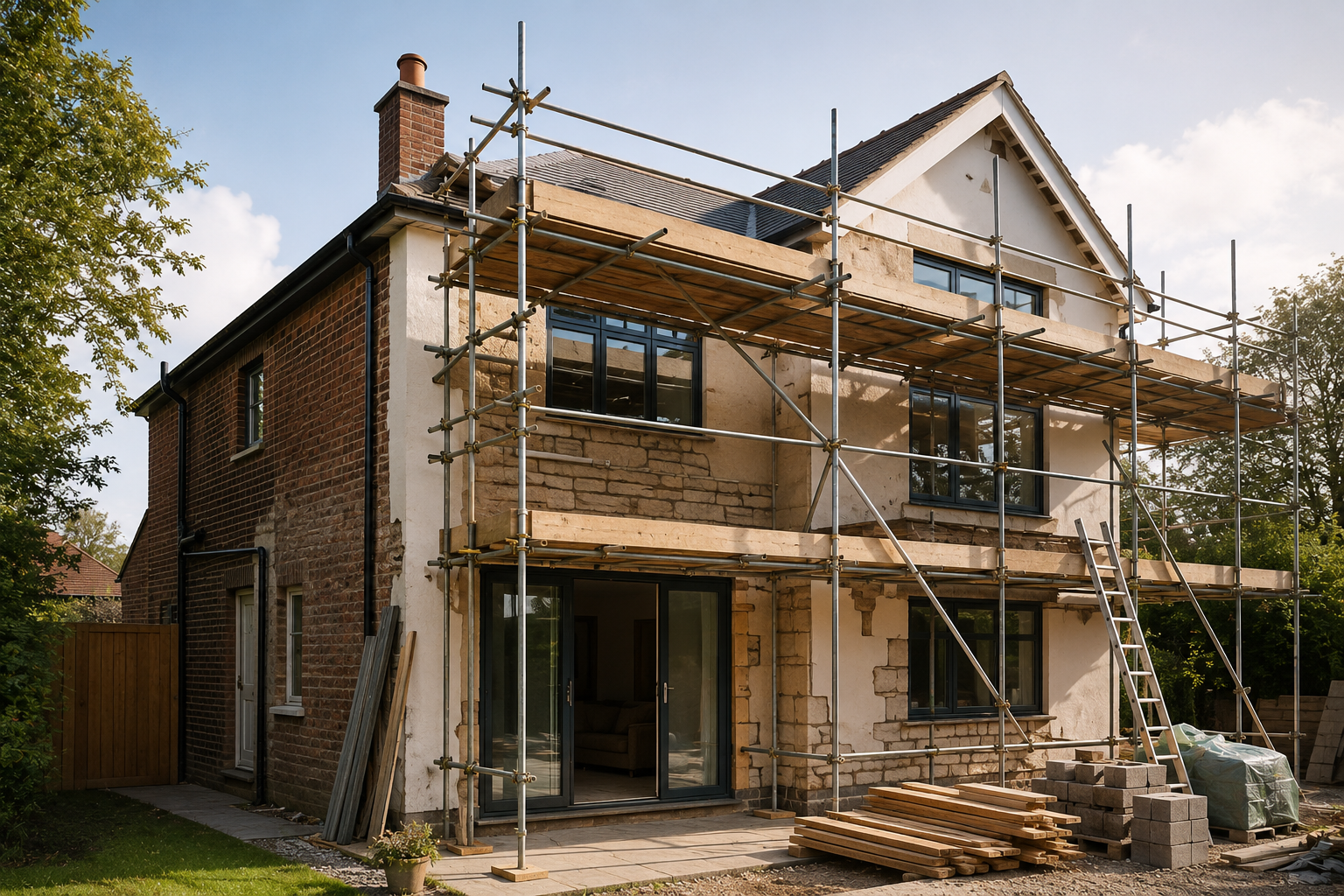
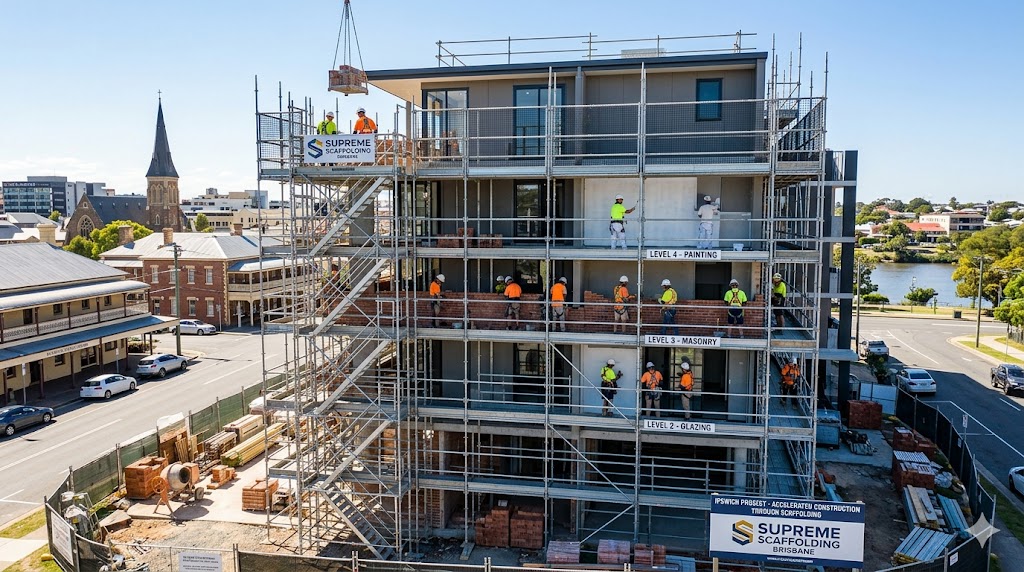
Scaffolding is a temporary structure that is installed around a property to provide safety and easy access for workers to difficult areas during construction, renovation, or maintenance work. Scaffolding includes guardrails, platforms, braces, and support frames, which are made from steel or aluminium.
You can use scaffolding for various residential projects, such as:
Home painting
Window installation
House roof repairing
Gutter replacement
Solar panel installation
Plastering and brickwork
Some top reasons to use scaffolding for home renovations
Improve worker safety during renovation work
It is one of the main factors to use scaffolding for home renovation. During renovation work, workers have to operate at higher heights, which increases the risks of falls and injuries. Homeowners use scaffolding to create a secure working platform to support and balance. Scaffolding allows workers to move freely without adjusting their position and reduces the risks of slips, falls, and tool-related injuries during home renovation work.
Provide better accessibility to difficult areas
Workers often have to research hard to reach areas like roof edges, chimneys, gutters, and upper-story walls during renovation works. If you use scaffolding that provides safe and easy access to these difficult areas and allows workers to complete work effectively. Scaffolding improves the overall quality of home renovation work.
Increase the efficiency of renovation works
Scaffolding enhances productivity by providing freely moving facilities for workers with their tools and materials. Scaffolding reduces downtime and allows workers to complete tasks more efficiently from a large working platform. That increases the overall renovation work efficiency and helps homeowners to save time and labour costs during home renovations.
Provide more stability than ladders
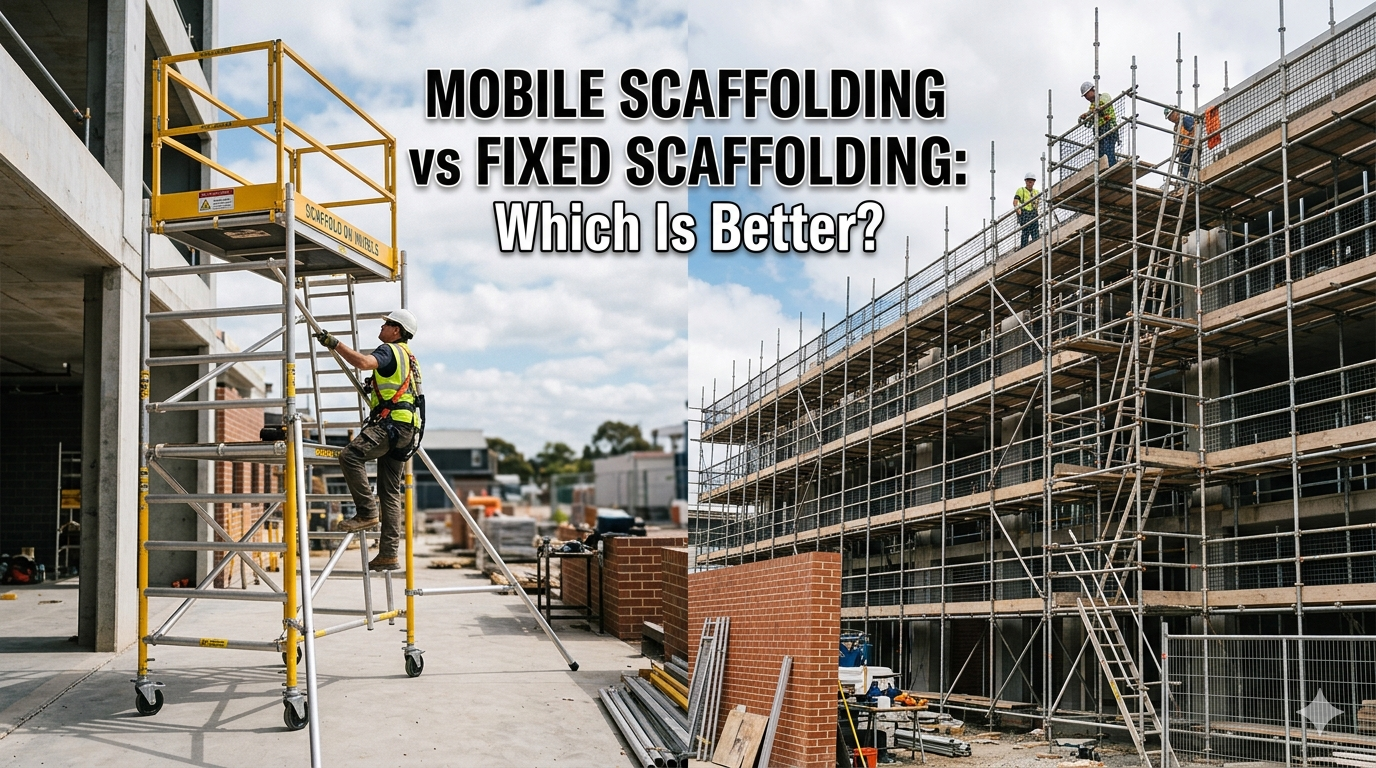
Ladders are suitable only when you are working on small and simple projects. They often become risky when you use them for long renovation work, which requires extensive movement or heavy tools. Scaffolding provides more stability than ladders, which helps workers to stand comfortably and work effectively.
Helps to maintain better work standards
Scaffolding provides better stability, so workers can feel secure and comfortable while working, which leads to accurate installations, cleaner painting completion, smooth plastering, and better repair work. Better accessibility helps workers to inspect renovation areas carefully and complete renovation works with high quality.
Reduce physical strain
Home renovation may take several days or weeks to complete. If workers work on ladders for a long period of time that may cause fatigue, back pain, and muscle strain. But scaffolding provides a better platform where they can move freely and stand comfortably during renovation works. Scaffolding reduces workers physical stress and allows them to maintain their body posture during work.
Improve your home protection
Scaffolding helps you to create organized working areas around your property, so workers can transport their required materials safely without damaging house walls, windows, or roofing structures. Scaffolding is most essential for home exterior renovation works to reduce the risks of falling tools or debris, and to protect homeowners and nearby pedestrians.
Helps to meet Australia’s safety regulations
Professional scaffolding services always follow Australian safety regulations for working at heights. By using scaffolding, you can ensure your home renovation works comply with Australian workplace safety regulations. Professional installation of scaffolding ensures proper weight distribution, secure foundations, and safe working conditions.
Conclusion
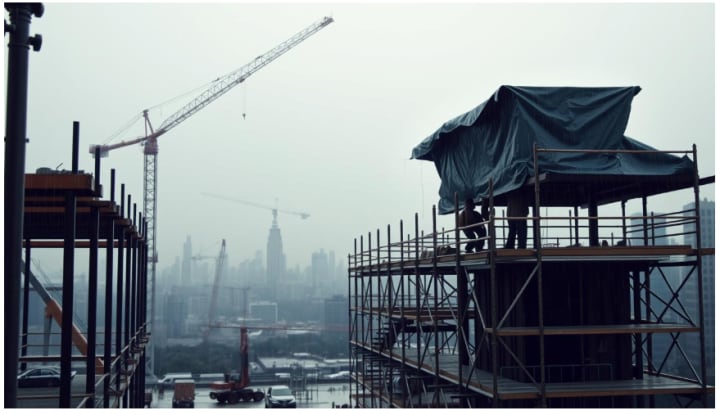
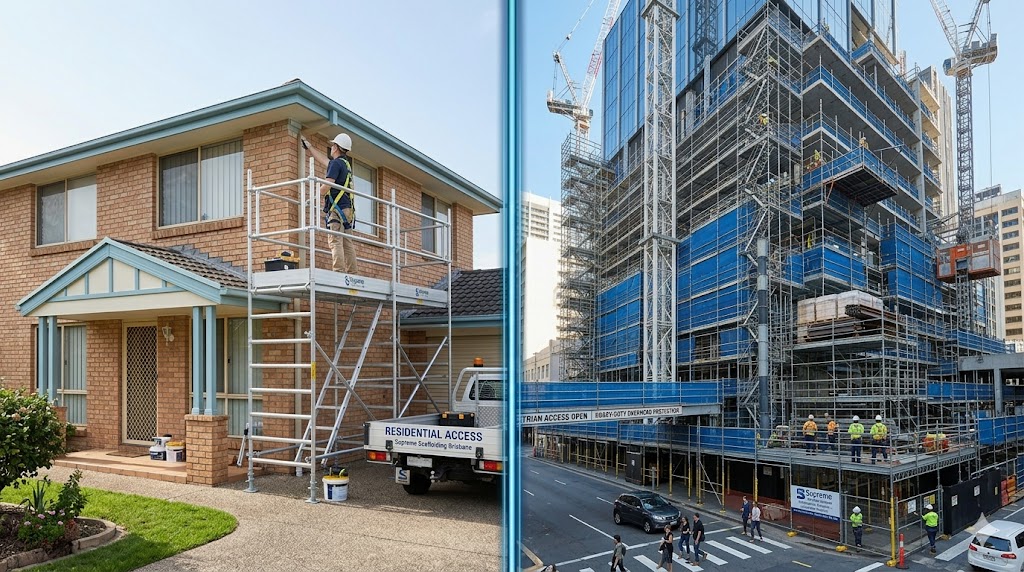
Scaffolding is essential to ensure safer, faster, and more efficient work, whether you are working on residential or commercial renovation projects. Scaffolding provides stable working platforms, easy access to hard-to-reach areas of the property, improved work quality, and reduces the risk of accidents during renovation work.
If you are looking for professional residential scaffolding services in Australia, contact Supreme Scaffolding Brisbane. They offer professional scaffolding services for both residential and commercial properties across Australia.
FAQs Regarding Uses of Scaffolding for Home Renovations:
Why do we use scaffolding for home renovations?
We use scaffolding for home renovations to improve worker safety, increase productivity, provide easier access to difficult areas of the property, and help workers to work effectively without strain.
How much does it cost to hire residential scaffolding for a home renovation in Australia?
Hiring residential scaffolding can cost approximately $300 to $ 3000+ in Australia, depending on the home size, type of scaffold, project duration, and service requirements.
Which types of home renovation tasks require scaffolding?
Home renovation tasks like roof repairing, gutter replacement, window installation, wall plastering, and cladding installation can require scaffolding.
Is using scaffolding for renovation work safer than ladders?
Yes, scaffolding is safer than ladders because it offers stable platforms, guardrails, better load balance, and safer movement for workers while working at heights.
How does scaffolding improve home renovation work quality?
Scaffolding improves home renovation work quality by providing stable platforms and easy access to hard-to-reach areas of the property, which allows workers to work more accurately and efficiently.